

Essential details
MOQ:1
Product Introduction
Core Function
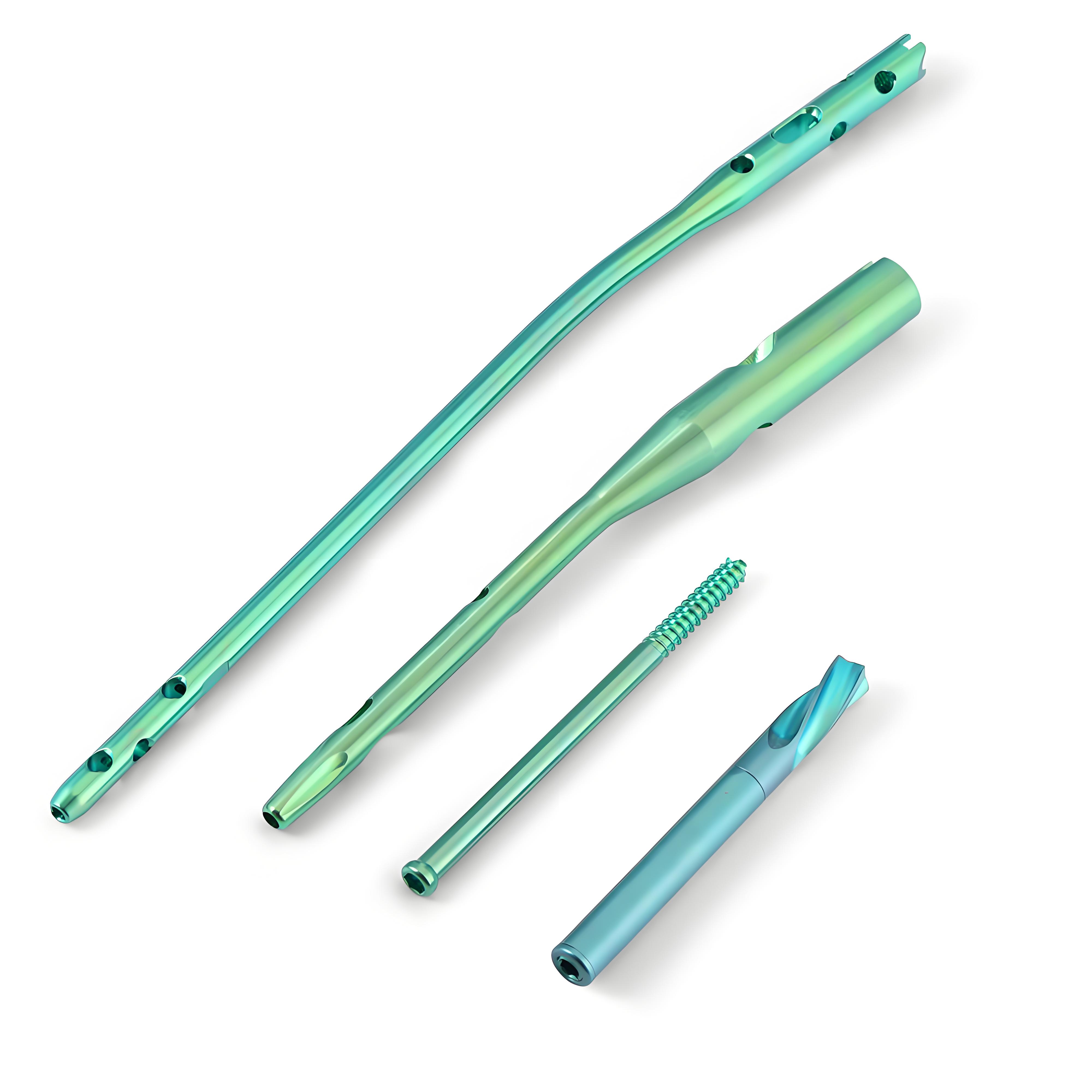
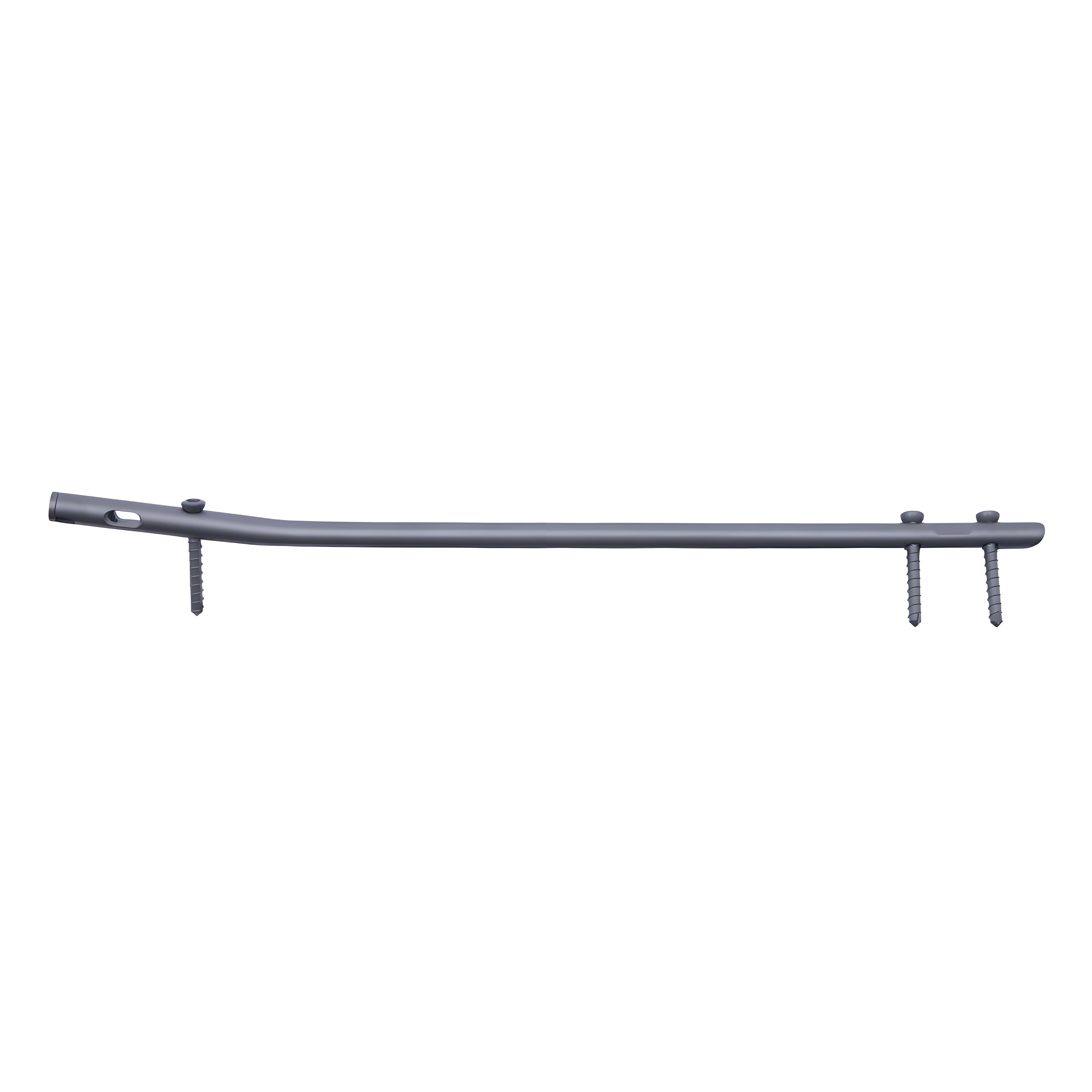
Intramedullary Nailing Systems are minimally invasive internal fixation devices designed for the treatment of long bone fractures (femur, tibia, humerus, etc.) and reconstructive procedures. Implanted into the medullary canal, they provide axial and rotational stability, preserve bone vascularity, and promote rapid fracture healing—ideal for diaphyseal, metaphyseal-diaphyseal, and complex comminuted fractures.
Material Options
- Primary Material: Medical-grade Ti-6Al-4V ELI titanium alloy (ASTM F136 / ISO 5832-3), with a low elastic modulus (~110 GPa) to minimize stress shielding, excellent biocompatibility, and superior corrosion resistance for long-term implantation.
- Surface Engineering:
- Nails: Precision-polished or sandblasted surfaces to reduce soft tissue irritation and simplify insertion.
- Interlocking Screws: Sandblasted or hydroxyapatite (HA) coated surfaces to enhance osseointegration and bone purchase.
- End Caps: Smooth, polished finish to prevent soft tissue impingement.
Design & System Configuration
The system integrates three core components for clinical versatility:
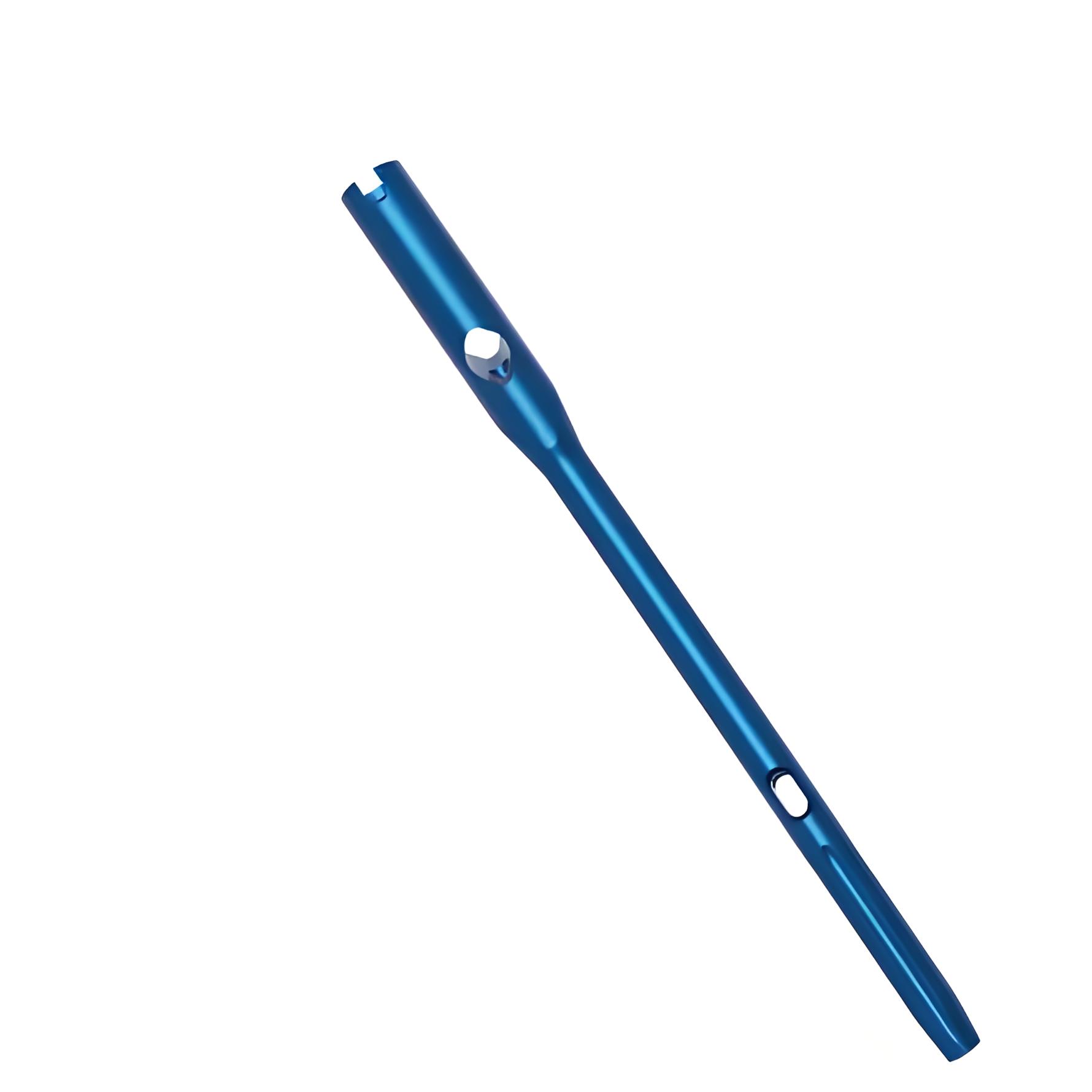
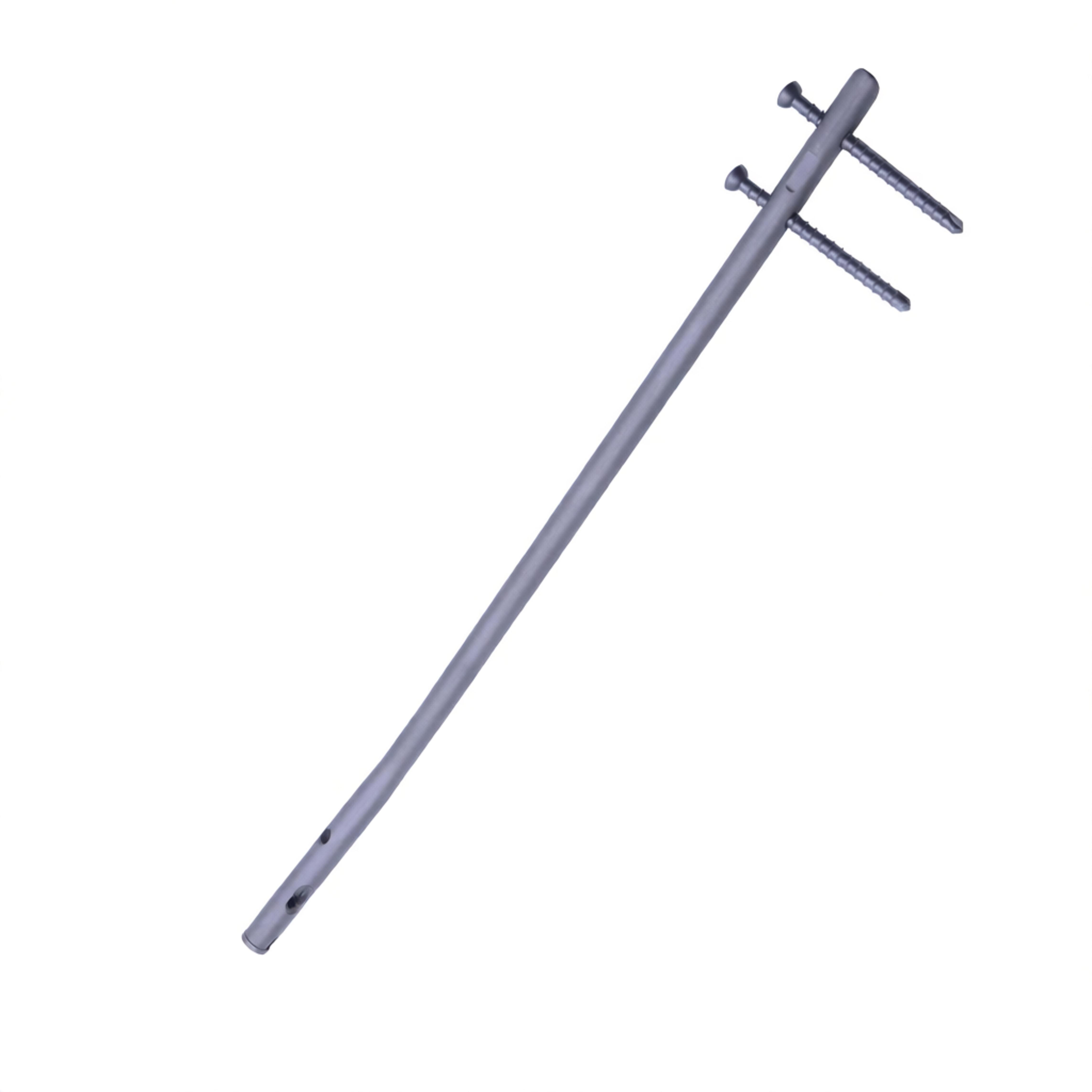
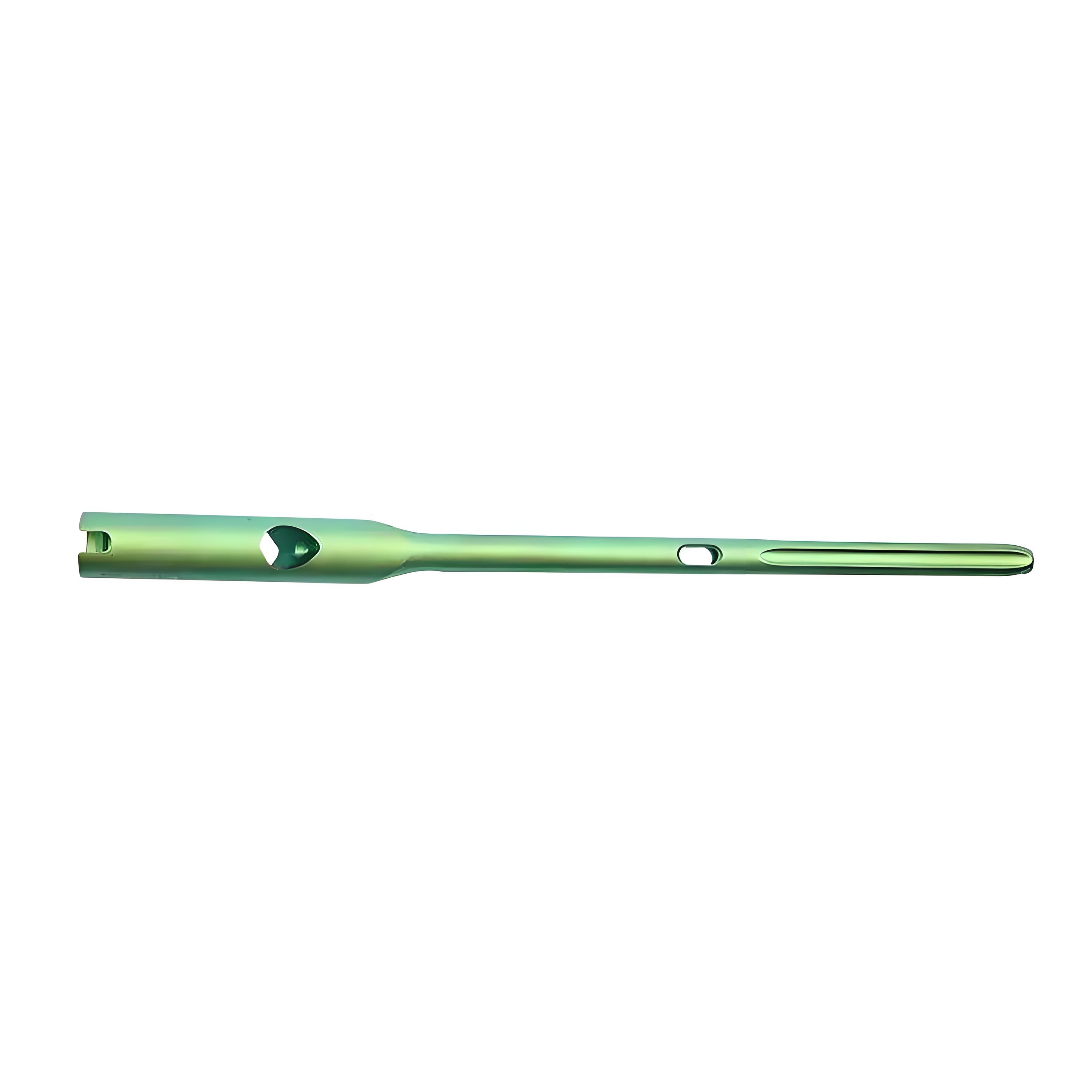
- Intramedullary Nail: Anatomically contoured to match long bone medullary canals, available in antegrade/retrograde insertion designs. Proximal and distal locking holes support static or dynamic interlocking to adapt to fracture healing stages.
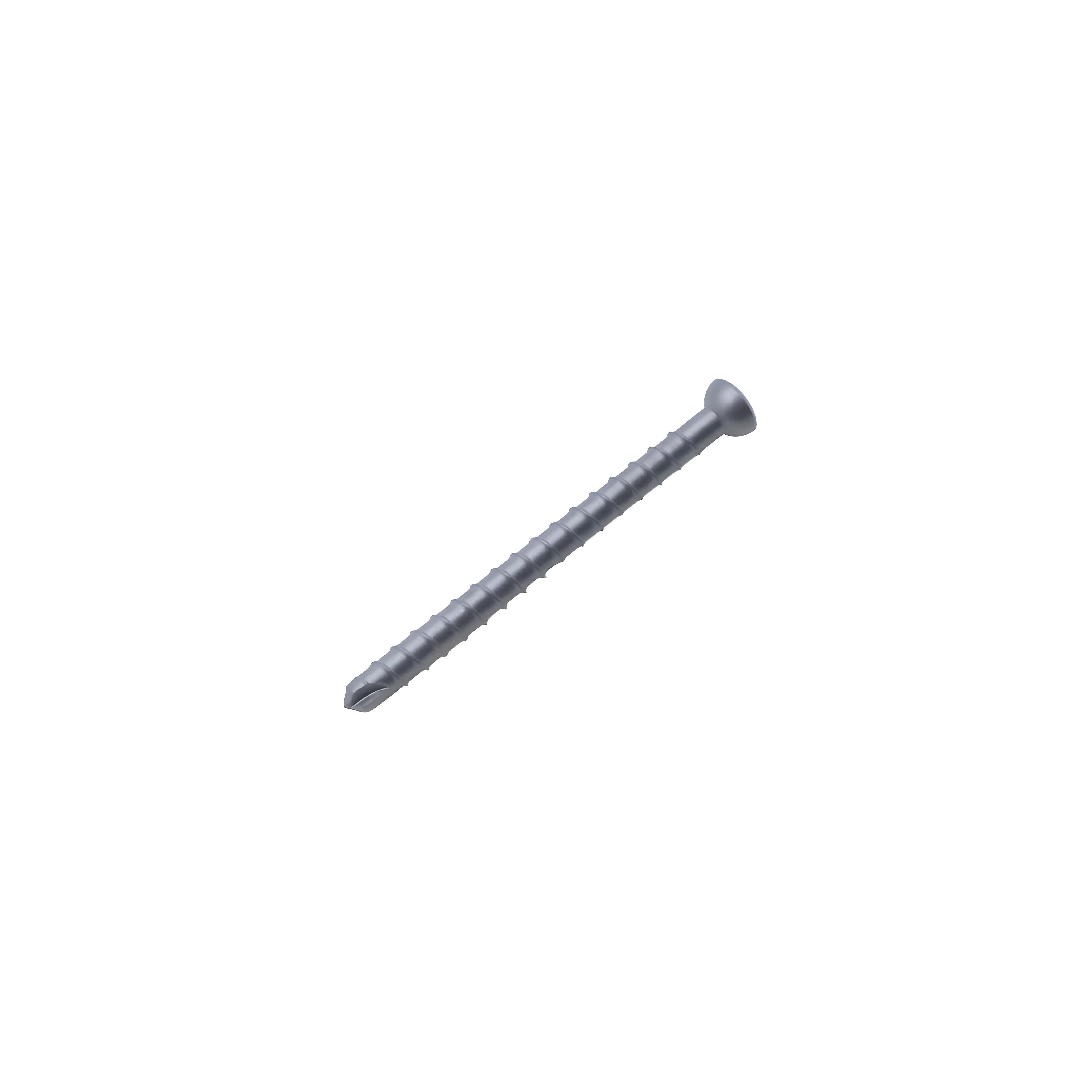
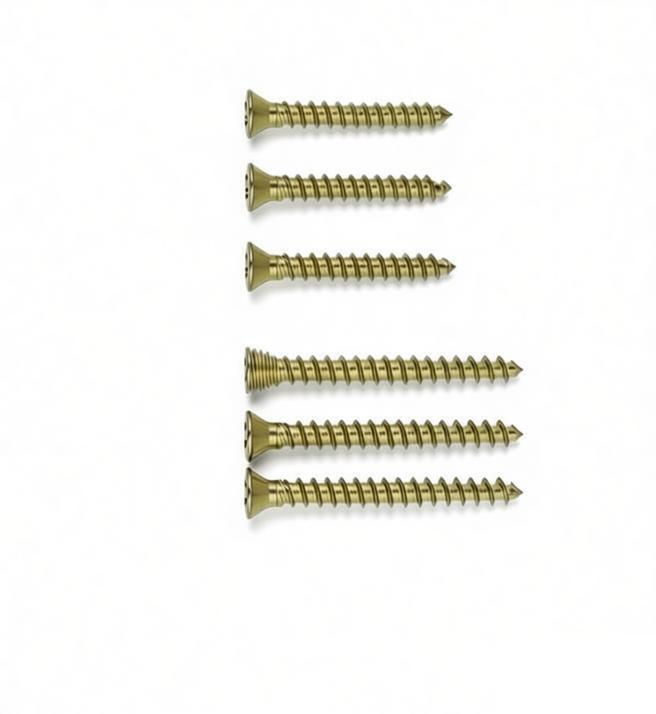
- Interlocking Screw: Cortical/cancellous thread options for secure fixation across dense or spongy bone, preventing nail migration, rotation, and shortening. Solid or cannulated designs enable fluoroscopic-guided percutaneous insertion.
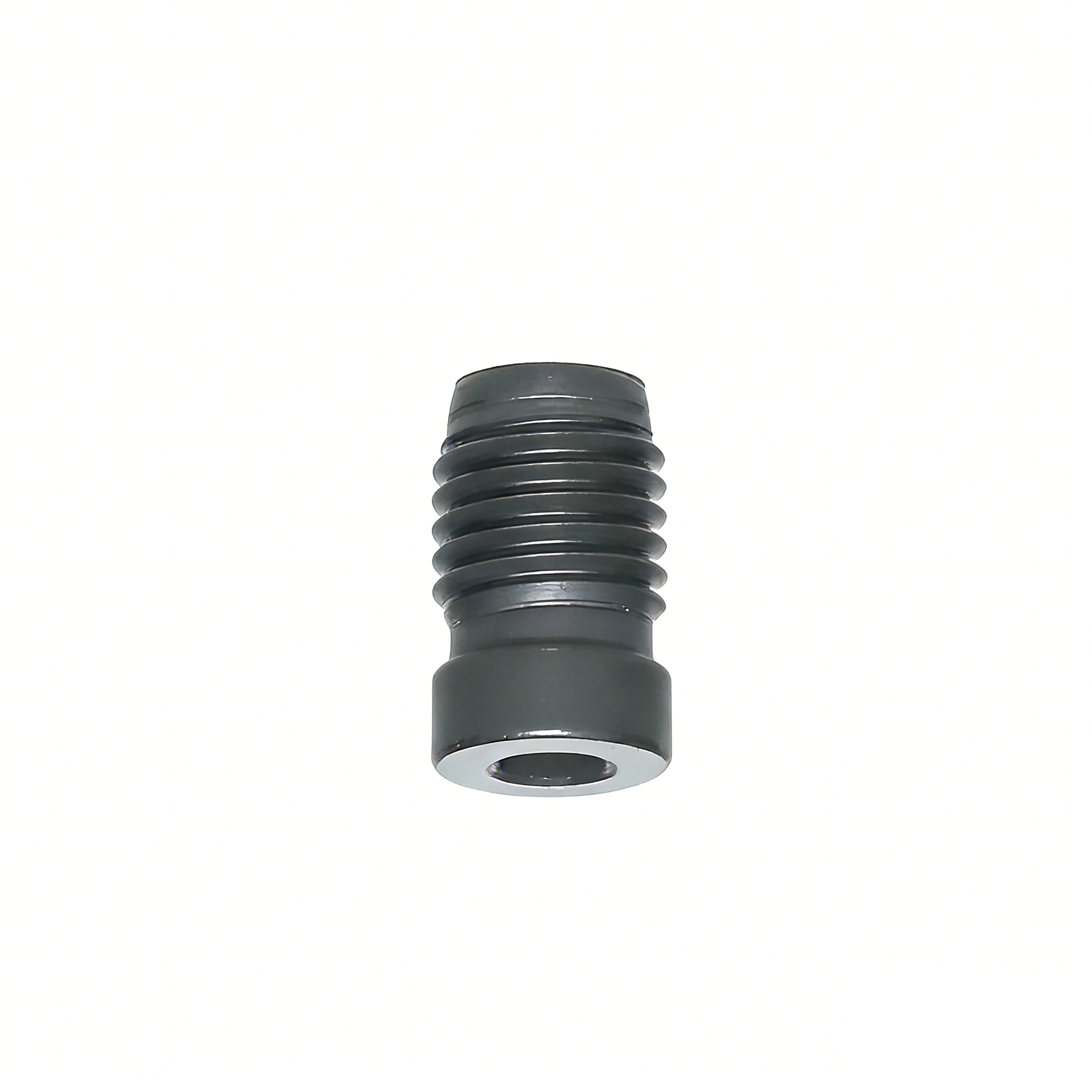
- Nail End Cap: Seals the nail’s proximal end to prevent soft tissue ingrowth, maintains nail length, and secures interlocking screws against backing out.
Size Specifications
- Intramedullary Nails: Diameter range 8–16mm (site-specific: 8–12mm for humerus, 10–16mm for femur/tibia); length range 200–420mm, with antegrade/retrograde variants.
- Interlocking Screws: Diameter 3.5–6.5mm; length 10–50mm, with cortical/cancellous thread profiles.
- End Caps: Custom-sized to match the proximal bore of corresponding intramedullary nails.
Key Advantages
- Biomechanical Stability: Axial and rotational control via interlocking fixation preserves bone vascularity and supports physiological fracture healing.
- Minimally Invasive: Cannulated designs enable percutaneous insertion, reducing soft tissue damage and accelerating patient recovery.
- Clinical Flexibility: Static/dynamic interlocking options adapt to diverse fracture patterns and healing phases; anatomical profiles fit global patient anatomy.
- Biocompatibility: Titanium alloy minimizes stress shielding, lowering the risk of implant loosening and promoting long-term bone integration.
- Compliance & Customization: ISO 13485 certified, meeting global orthopedic trauma standards (ASTM F382, ISO 9626). Full OEM customization available for nail geometries, screw specifications, and branding, with low MOQ for prototyping and fast lead times for mass production.