

Essential details
MOQ:1
Product Introduction
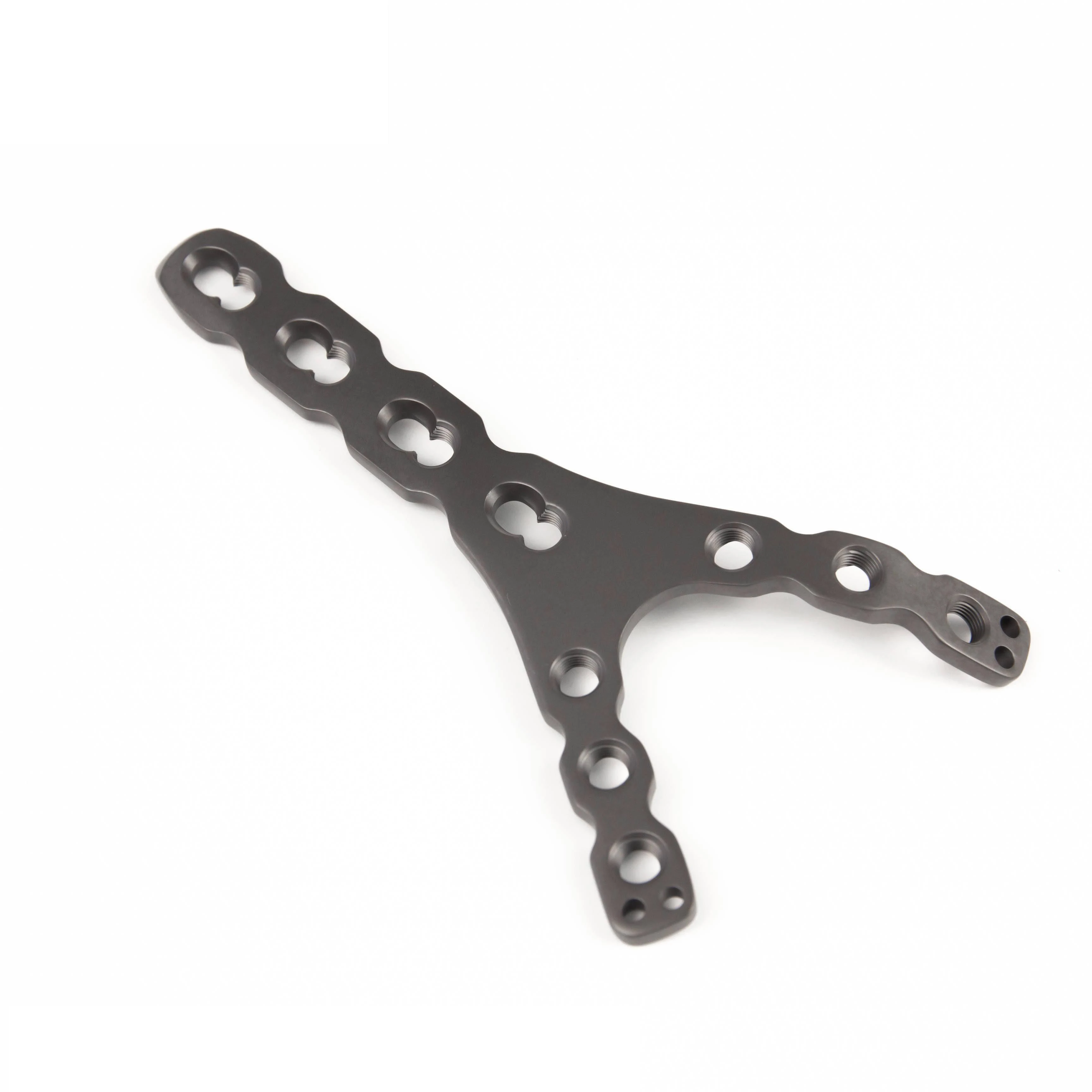
Core FunctionThe Plate & Screw Fixation System is a comprehensive internal fixation platform for orthopedic trauma and reconstructive surgery, designed to stabilize fractures, correct deformities, and support bone healing across the upper extremities, lower extremities, pelvis, and peri-articular regions. It provides rigid mechanical stability while preserving biological environment, enabling early functional rehabilitation and successful bone union.
Material Options
- Primary Material: Medical-grade Ti-6Al-4V ELI titanium alloy (ASTM F136 / ISO 5832-3) and 316L stainless steel (ASTM F899 / ISO 5832-1), offering excellent biocompatibility, high mechanical strength, and corrosion resistance for long-term implantation.
- Surface Engineering:
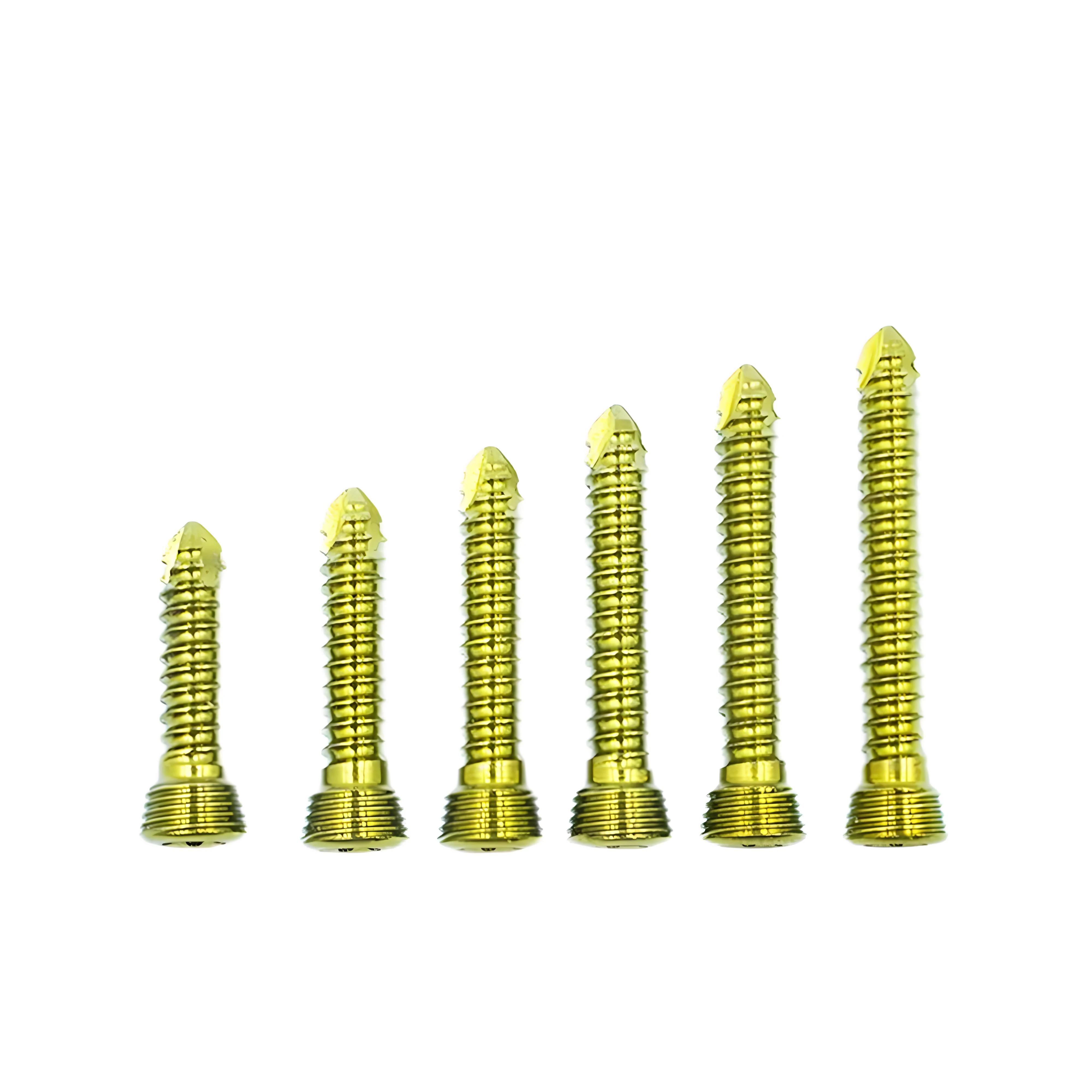
- Screws: Sandblasted or hydroxyapatite (HA) coated surfaces to enhance osseointegration; self-tapping threads for simplified insertion.
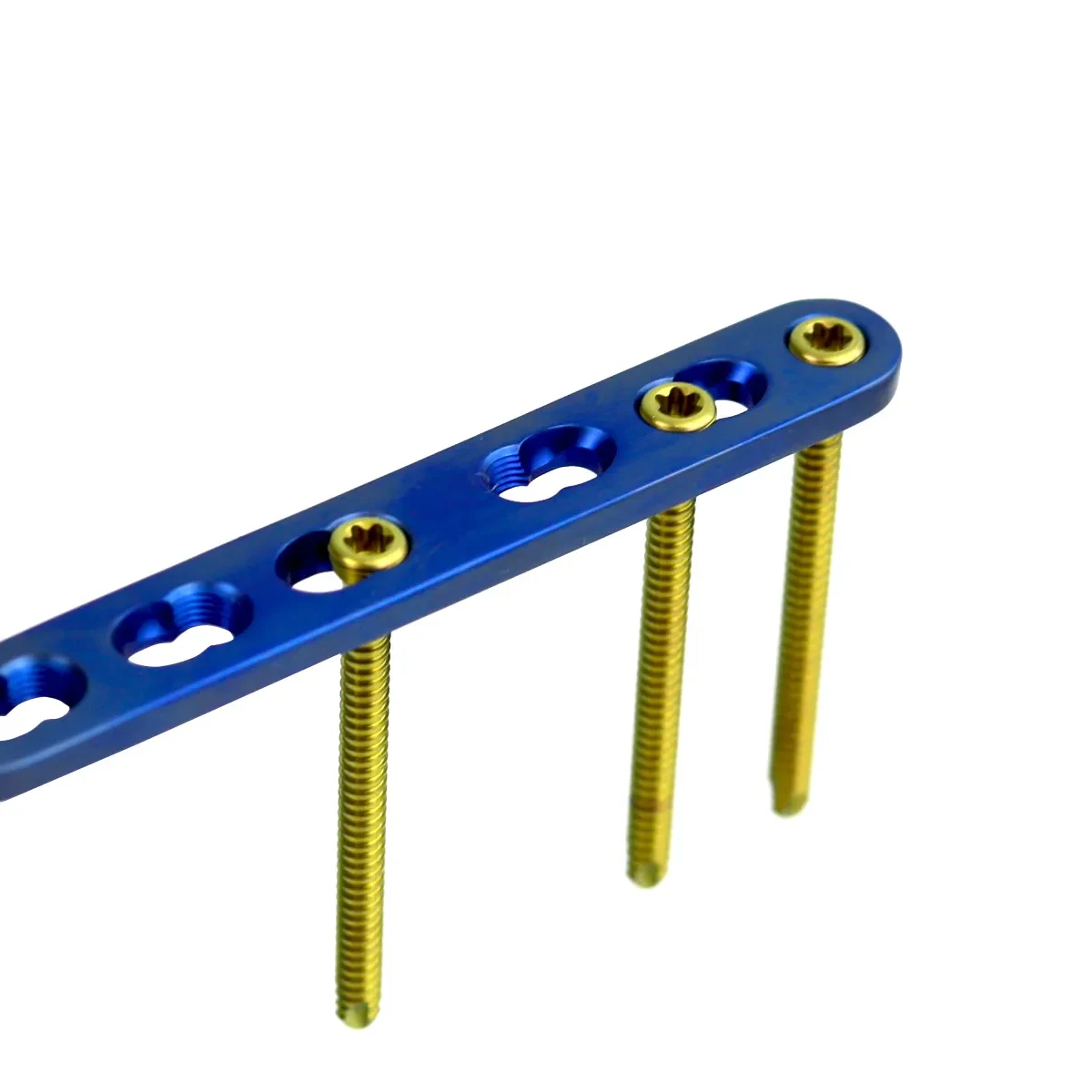
- Plates: Precision-polished finish to minimize soft tissue irritation; anodized color coding for quick intraoperative identification.
Design & System Configuration
The system integrates anatomically contoured bone plates and specialized fixation screws, optimized for diverse clinical scenarios:
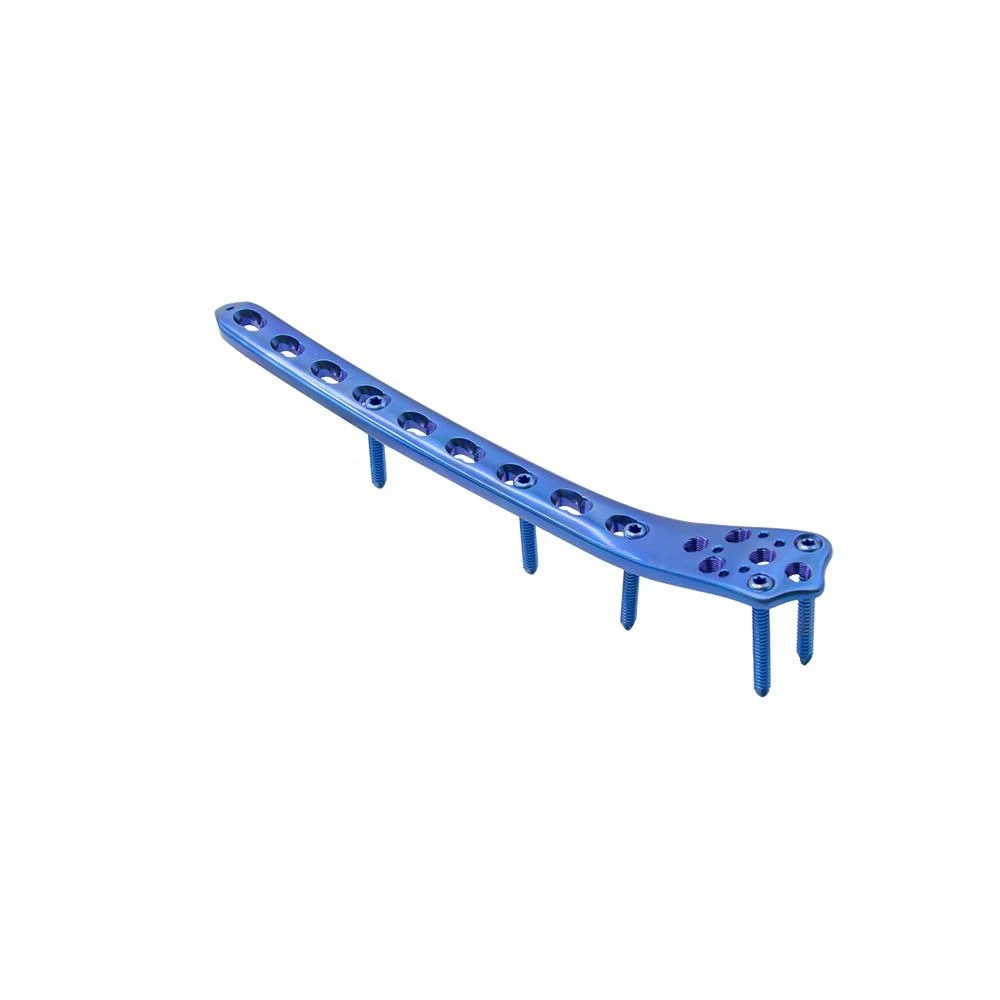
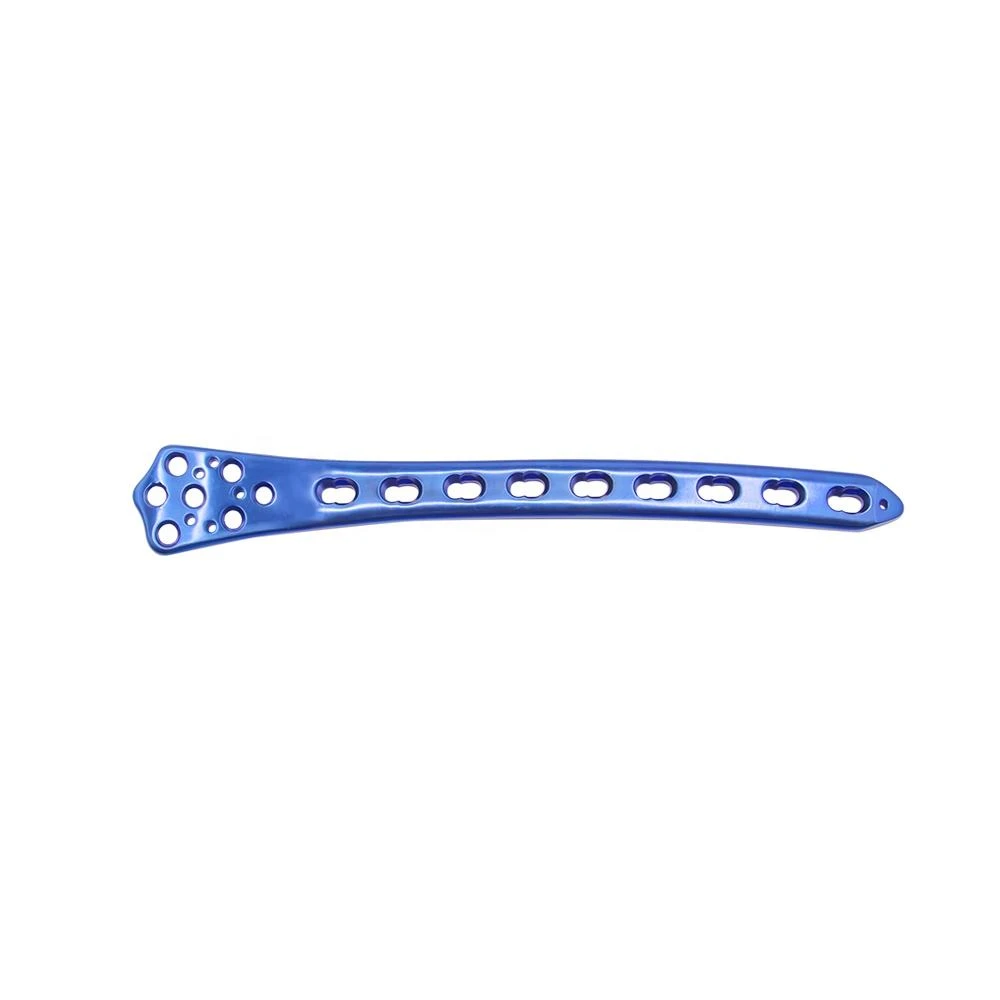
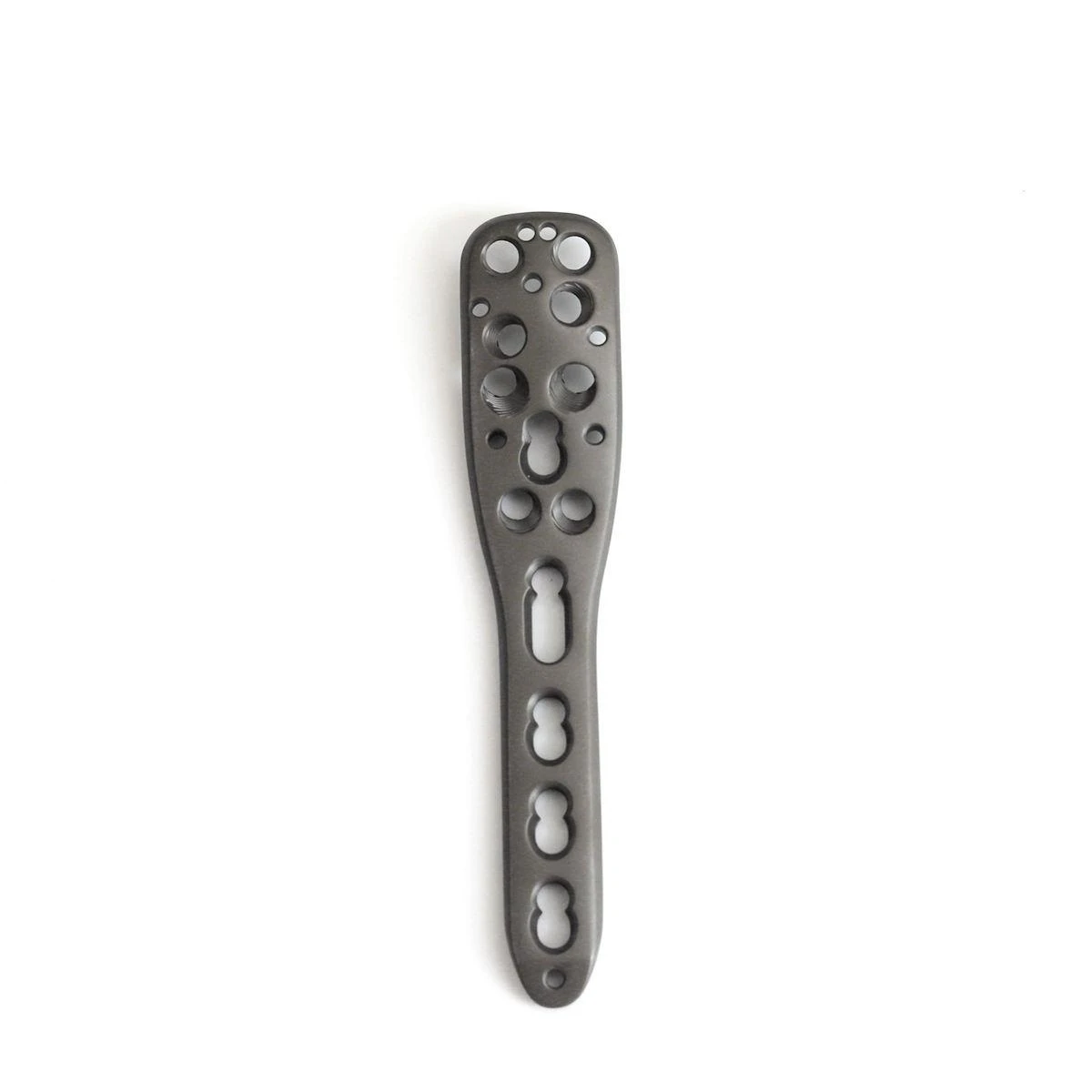
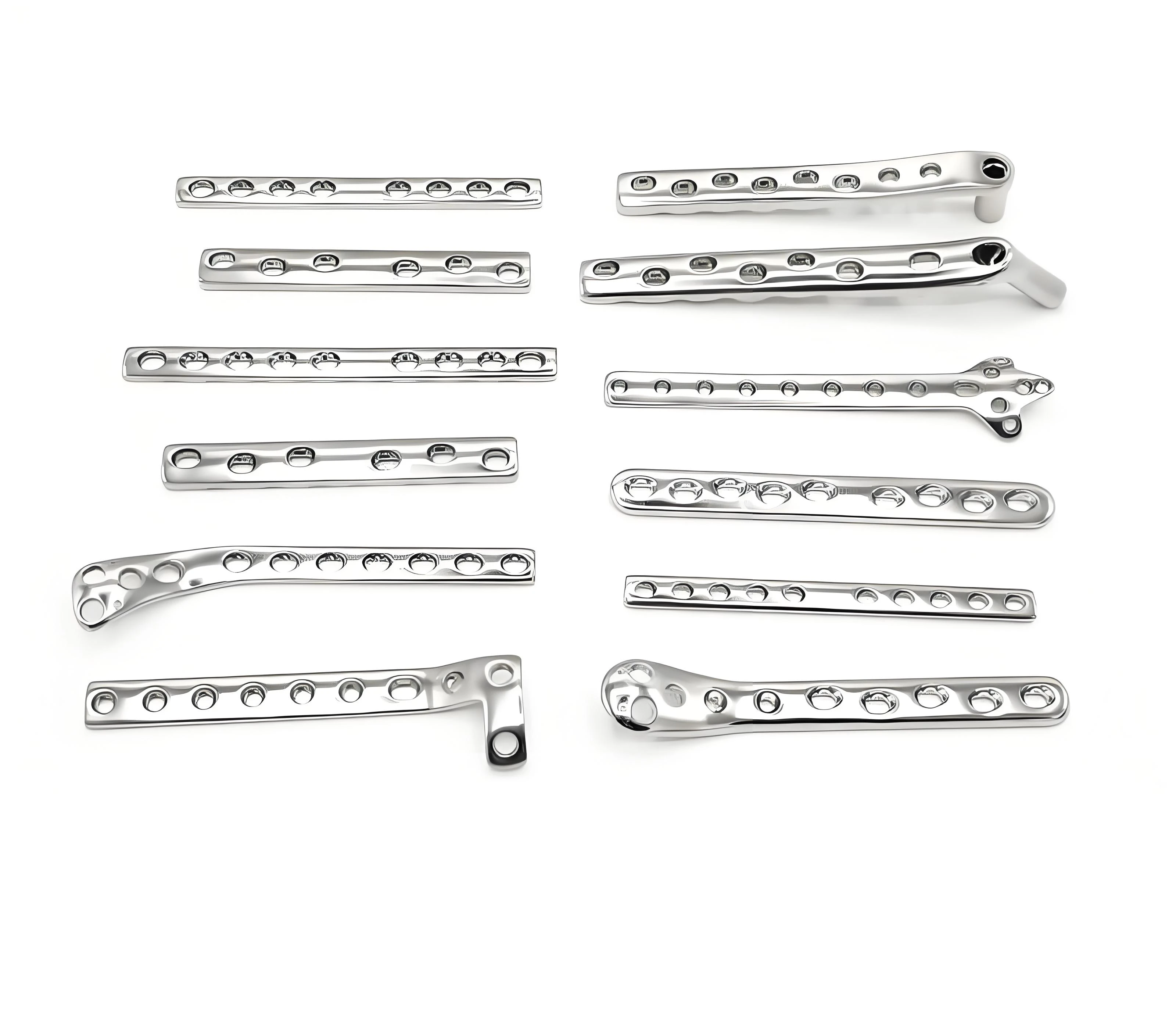
- Bone Plates:
- Locking Plates: Locking screw holes create a fixed-angle construct, acting as an internal fixator for enhanced stability in osteoporotic or comminuted fractures.
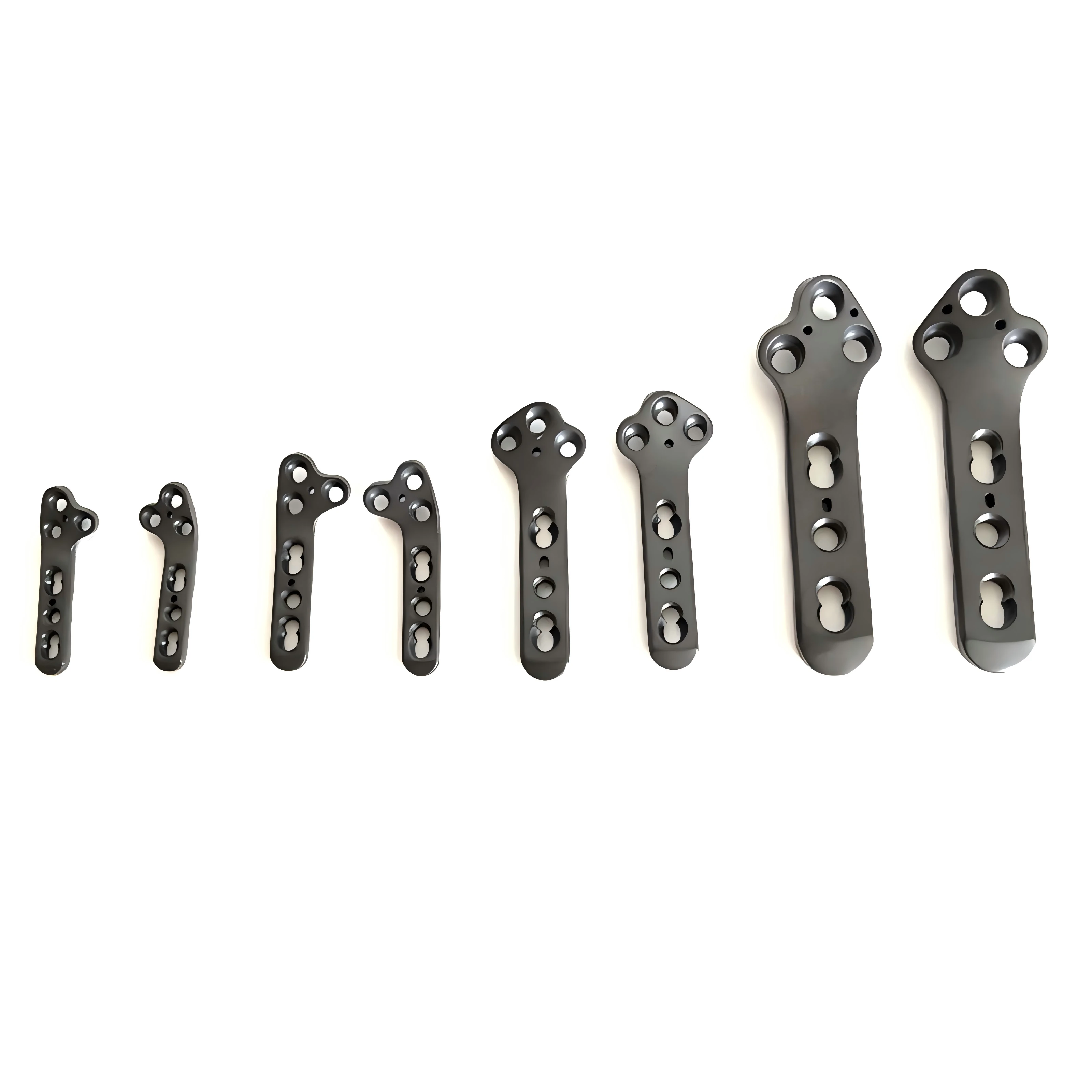
- Non-Locking Plates: Traditional compression plates for dynamic compression and anatomical reduction, suitable for simple fracture patterns.
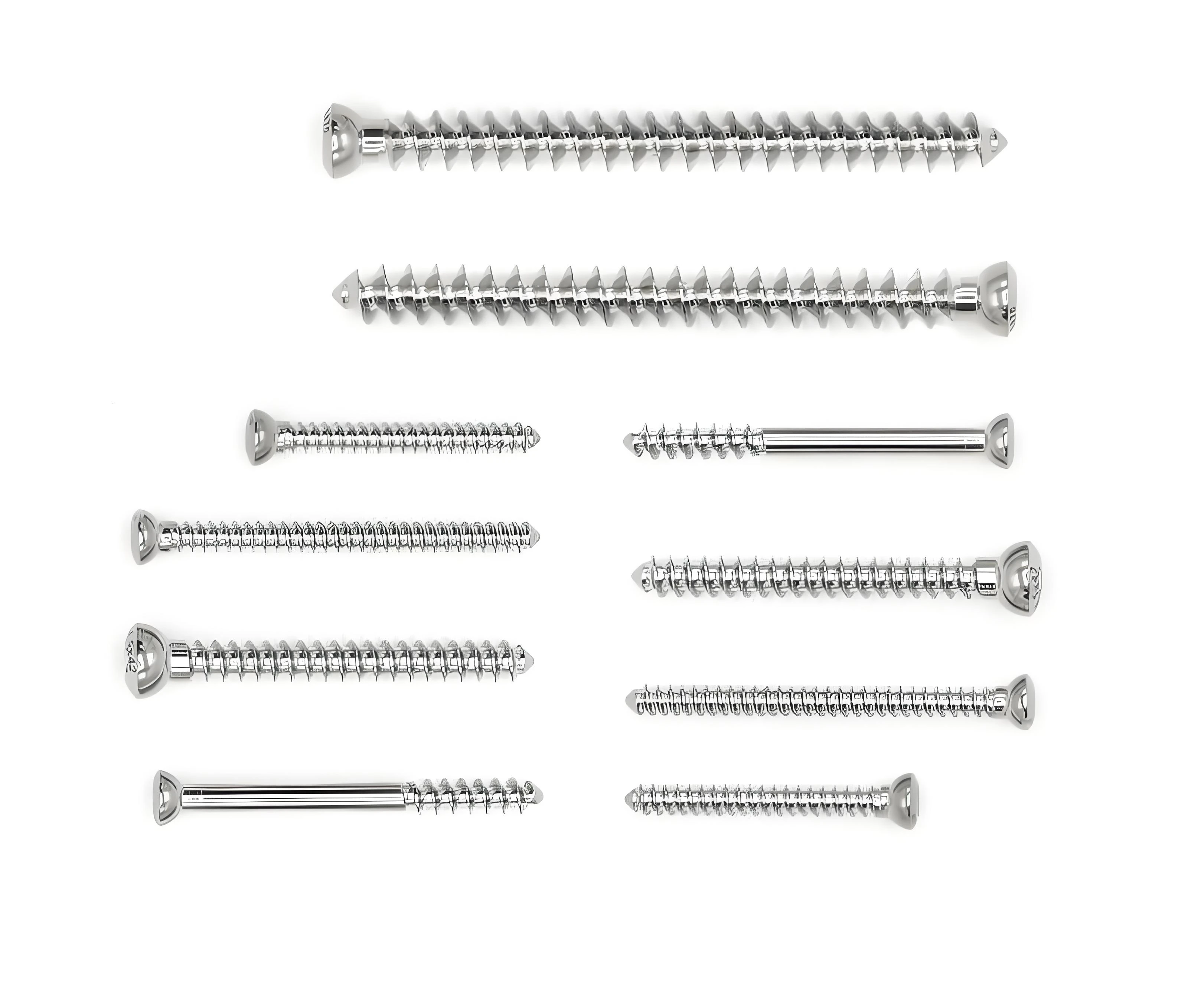
- Bone Screws:
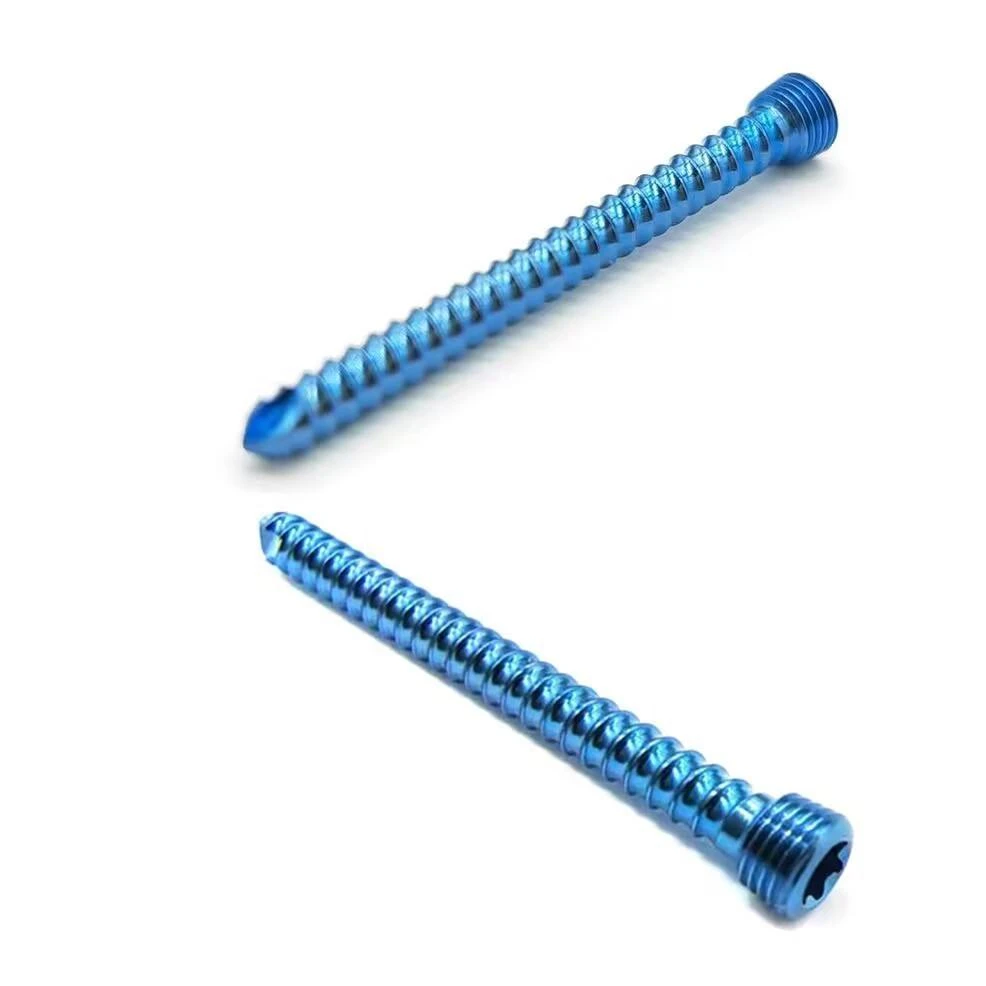
- Locking Screws: Match locking plate holes to form a rigid angular stable construct.
- Cortical Screws: Full-thread design for dense cortical bone, providing strong purchase in diaphyseal fractures.
- Cancellous Screws: Shallow, wide threads for spongy cancellous bone, ideal for metaphyseal and peri-articular fractures.
- Cannulated Screws: Hollow design for fluoroscopic-guided insertion, perfect for percutaneous fixation of intra-articular fractures.
Size Specifications
- Plates: Anatomically shaped for specific anatomical regions (e.g., distal radius, proximal humerus, tibia), with lengths covering 2–12 screw holes and variable hole spacing to match fracture patterns.
- Screws: Diameter options: 2.0mm–6.5mm; length range: 6–70mm; self-tapping and cannulated variants available to meet different surgical needs.
Key Advantages
- Versatile Clinical Coverage: Modular plate and screw combinations address all fracture types, from simple extra-articular to complex comminuted and peri-articular fractures.
- Biomechanical Stability: Locking constructs provide angular stability for osteoporotic bone; non-locking plates allow dynamic compression to promote fracture healing.
- Surgical Efficiency: Anatomical plate designs reduce intraoperative contouring; self-tapping screws and color-coded components streamline surgical workflow.
- Biocompatibility & Durability: High-grade materials ensure long-term corrosion resistance and biocompatibility, supporting successful bone union and implant retention.
- Compliance & Customization: ISO 13485 certified, meeting global orthopedic trauma standards (ASTM F382, ISO 9626). Full OEM customization available for plate geometries, screw specifications, and branding, with low MOQ for prototyping and fast lead times for mass production.